Dental Veneers
What are dental veneers?
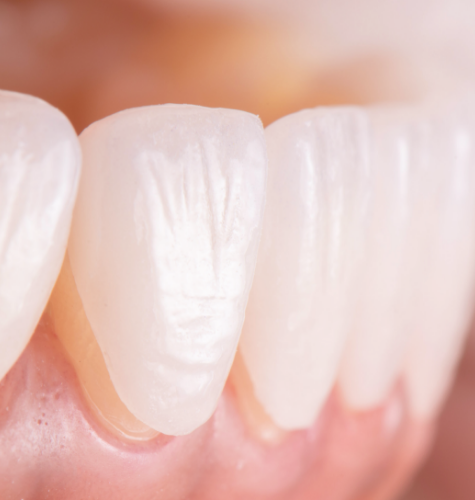
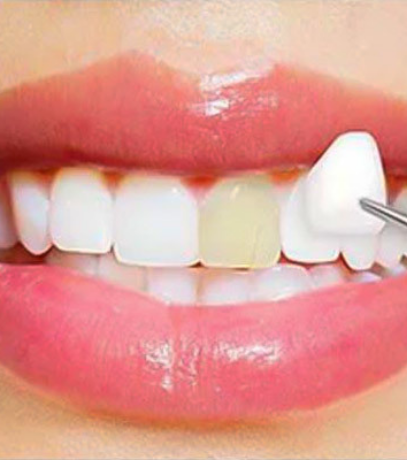
Dental veneers are custom-made shells that fit over the front surfaces of your teeth. They conceal cracks, chips, stains and other cosmetic imperfections.
Why are dental veneers needed?
Dental veneers are needed when your teeth are chipped, malformed, very discolored or will not and cannot be whitened.
Who needs dental veneers?
Anyone who wants to enhance the appearance of their smile can explore veneers. These dental restorations can camouflage:
- Chipped or broken teeth.
- Diastema (gaps or spaces in your smile).
- Stains that don’t improve with teeth whitening.
- Teeth that are too small.
- Misshapen teeth.
Conditions that can be treated by Dental Veneers?
Dental Veneers can camouflage:
- Cracks, Chips, and Wear
- Bulges, Pits, and Shape Problems
- Stains and Discoloration
- Misalignments
Pros and Cons of the procedure
Pros of dental veneers:
- Veneers can dramatically enhance the appearance of your smile.
- They blend in with your natural teeth for lifelike results.
- Veneers resist staining better than your natural tooth enamel.
- Dental veneers don’t require any additional maintenance.
- They have a lifespan of 10 to 15 years with proper care.
Cons of dental veneers:
- You’ll lose at least some of your natural enamel.
- Many types of veneers aren’t reversible.
- Your teeth may become more sensitive to heat and cold.
- It’s possible for a veneer to fall off or become dislodged.
- Dental veneers are cosmetic, so they’re not covered by most insurance.
Types of Procedure
Composite veneers
Composite veneers can conceal mild cosmetic issues. Your dentist uses a tooth-colored composite resin — the same material used for dental bonding — to achieve the desired results.
Porcelain veneers
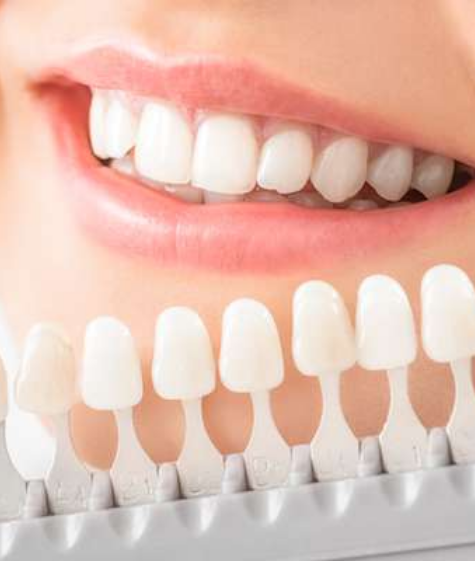
Porcelain veneers can address a number of aesthetic imperfections. These restorations are custom-made to fit your dental anatomy. Before placement, your dentist must remove some enamel from your natural teeth. This roughens your teeth surfaces and helps your new veneers stay in place.
No-prep veneers
No-prep or minimal-prep veneers are a less invasive option. Like traditional porcelain veneers, no-prep veneers are custom-made for your smile. However, they require less enamel removal than traditional veneers. It’s important to understand that no-prep veneers still require some enamel removal. No-prep veneers aren’t right for everyone. Ask your dentist if you’re a candidate.
What happens before dental veneer placement?
During your initial appointment, your dentist will examine your teeth and gums to determine if you’re eligible for veneers. If you’re a candidate, they’ll prepare your teeth by removing small amounts of enamel.
Next, they’ll take impressions of your teeth. A dental lab technician will use these impressions to make your custom veneers. (If you choose composite veneers, dental impressions aren’t needed.)
It can take a few weeks for the dental lab to complete your veneers. If necessary, your dentist can place temporary veneers in the meantime. Once the technician finishes your veneers, the lab will ship them to your dentist’s office.
What happens during veneer placement?
- During a second office visit, your dentist will check the shape, color and fit of your veneers, then permanently bond them into place using dental cement. Finally, they’ll check your bite and make any necessary adjustments.
- If you want to change something about your veneers, like the shape or color, let your dentist know. They’ll work with you and the dental laboratory to ensure that your results are satisfactory.
- There’s no downtime following veneer placement. People who receive dental veneers can return to normal activities the same day. You can also eat or drink immediately after your appointment, as long as the anesthesia has worn off.
How to care for your dental veneers?
Brushing, flossing, and visiting your dentist regularly is all you need to do to keep your veneers in good working condition. Be sure to use a soft-bristled toothbrush and non-abrasive fluoride toothpaste. Avoid whitening products, as they can scratch your veneers.
To make your veneers last, you should also avoid biting directly into hard or crunchy foods like apples, carrots, and tough meats. Cut up these foods and chew them with your back teeth.
Porcelain veneers are stain resistant, but it’s still a good idea to avoid dark-colored foods and beverages, such as berries, red wine, coffee, and tea. These foods and drinks can stain your veneers over time.
Taking care after the procedure
- Brush twice daily for two minutes with a soft-bristled toothbrush and floss once daily
- Floss once daily and consider getting a proxabrush to clean effectively under your bridge.
- Use fluoride toothpaste and antiseptic mouth rinse
- East fruits and vegetables that are high in fiber
- Schedule regular visits with your dentist and dental hygienist
What are the risks associated with dental veneers?
Frequently Asked Questions
1. How many times can veneers be replaced?
In general, you will have to replace your veneers roughly every 15 to 20 years. However, you may need to replace cheap or low-quality veneers sooner than veneers installed at an experienced dental practice.
2. What do I need to know before getting veneers?
Before getting veneers, there are some things you need to know, though.
3. Who should not get veneers?
Your Mouth May Not Be Healthy Enough. Because applying veneers to teeth that are decayed or suffering from gum infections is never a good idea. The presence of veneers can make treating these problems much more difficult. If you do have tooth decay or gum disease, this does not mean you cannot receive veneers.
4. How carefully do you have to be with veneers?
Avoid biting and chewing with excessive force. In case you have to eat hard food, we recommend you chew with your back teeth. Porcelain veneers are not indestructible and if not properly cared for they can break and chip. If you are careful, your porcelain veneers can last for many years.
5. What happens when veneers get old?
There are undesired side effects that may occur if you don't replace them, and they are: The dental veneers will chip or crack or get worn down. Composite or porcelain veneers can be durable, but they can start to wear down and may even crack over time. Your tooth supporting the veneer can become decayed
A Dentist That's Dedicated To Your Long-Term Oral Health.
High-Quality And Affordable Dentistry For Teens, Adults, And The Elderly. For A Healthier Smile, Book Online